Jan 13, 2026
What e-bike owners are often surprised to learn
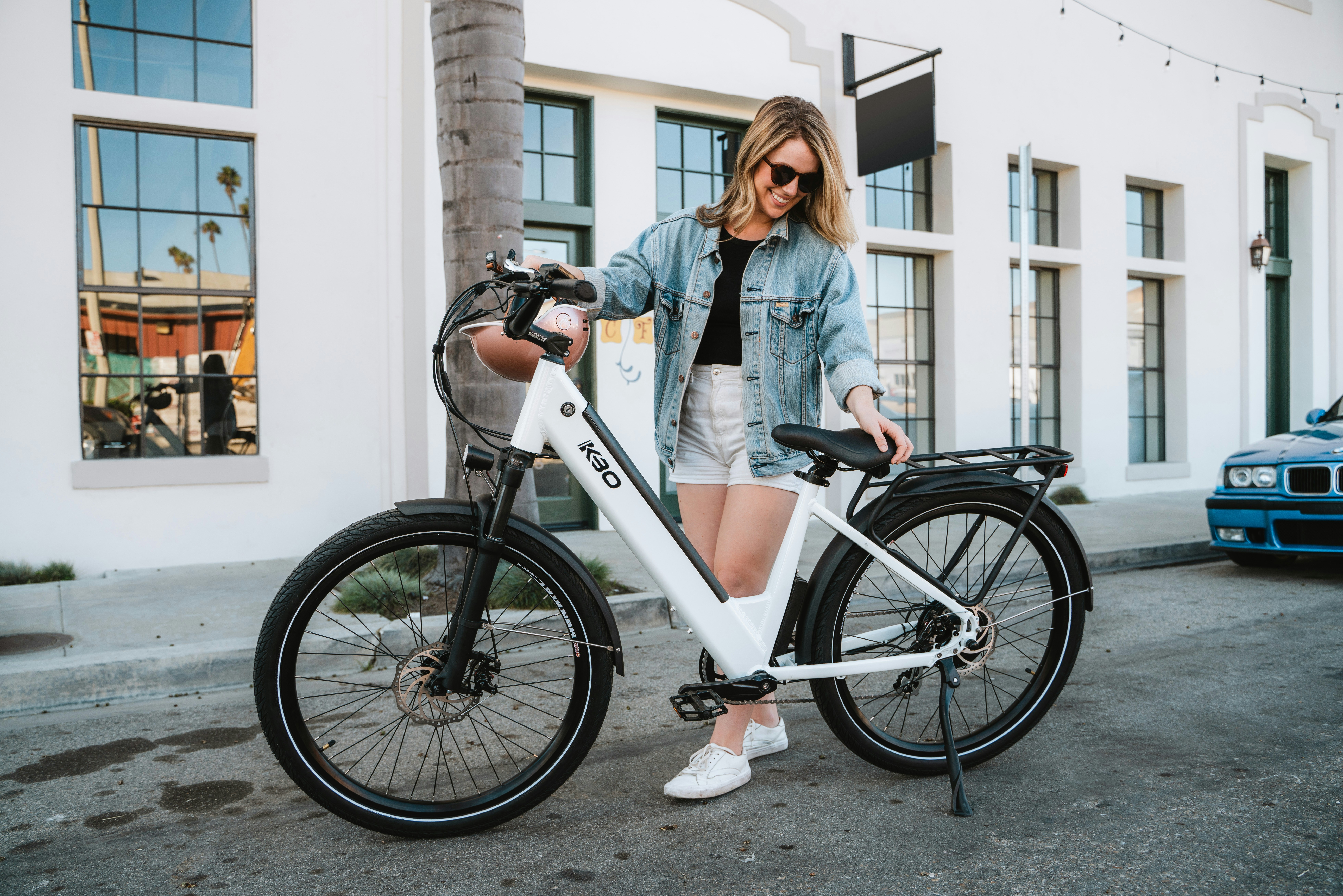
I grew up in California at a time when kids rode their bikes everywhere.
It didn’t matter if you lived near the beach or inland (like me), bikes were just part of daily life. You rode around the neighborhood, met up with friends, and stayed out until it was time to come home. Nobody gave it much thought.
For a long time, a bike was just a bike.
That’s still true in spirit, but not in reality anymore.
When e-bikes first started becoming popular, I’ll admit I didn’t pay much attention to them. I assumed they were mostly for younger generations because they felt very different from the bikes my siblings and I grew up riding.
That changed for me over the summer, when my husband and I were in Breckenridge, Colorado.
David and I both love the outdoors, but adjusting to the elevation was harder than we expected. At one point, he asked if I wanted to go for a bike ride—because it’s something we enjoy doing at home. I laughed and said, “There’s no way. I’m having too hard of a time catching my breath.”
“What about e-bikes?” he suggested.
I honestly hadn’t even considered the option.
The e-bike made it possible to actually enjoy being outdoors without feeling completely wiped out. I remember thinking, Okay, I get the appeal. I could immediately see why people love them and why they’ve become so popular. I’ve even been thinking about trading in my Cannondale road bike for one.
E-bikes make biking more accessible. They make longer rides doable—like the 30-mile round-trip Santa Ana beach trail, which I love but find challenging without motorized assistance—and they allow people to stay active in ways they might not otherwise.
That popularity is exactly why questions about insurance keep coming up.
Most of my clients already have either homeowners or renters insurance, so the assumption is understandable:
“I already have coverage. This must be included.”
But in many cases, that isn’t how policies treat e-bikes.
Most homeowners and renters policies don’t provide much—if any—protection for e-bikes because they’re considered a motorized form of transportation. At the same time, e-bikes aren’t covered under an auto policy either, since they don’t have four wheels and aren’t registered with the DMV.
So, they tend to land in a gray area. And in insurance, gray areas are usually where misunderstandings happen.
What actually matters when it comes to insurance
When it comes to e-bikes, coverage really comes down to a few practical details:
How the bike is classified
Some e-bikes are treated differently than others based on things like whether they have pedal assist only or a throttle, how powerful the motor is, and how fast the bike can go on its own. These details can affect how or if a bike is covered.How fast the bike goes
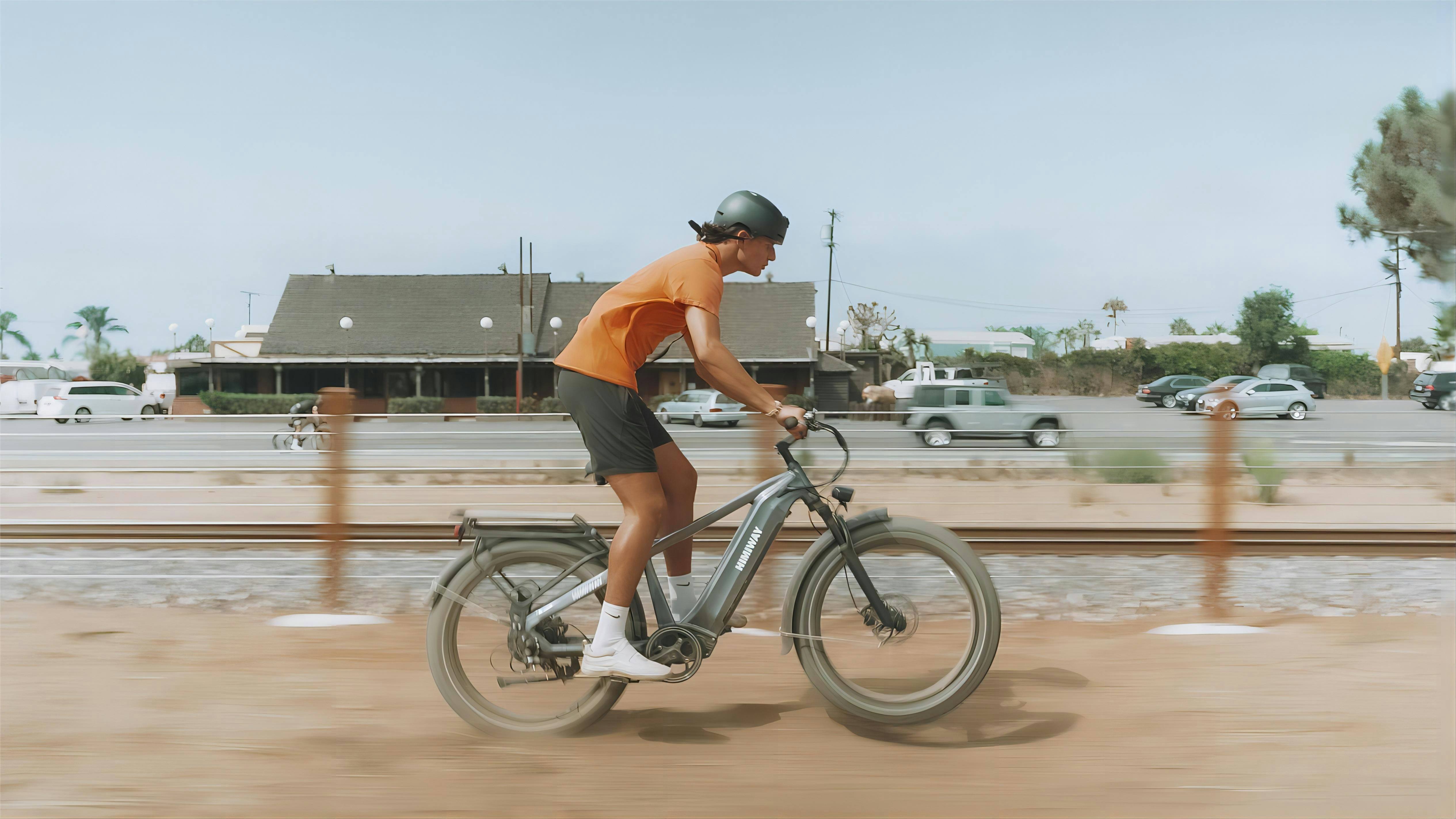
Most e-bikes are categorized as Class 1, Class 2, or Class 3, which are based largely on speed and how the motor assists the rider. Higher speeds can change how a bike is viewed from an insurance standpoint. Some higher-powered bikes, especially those with stronger motors that can reach much higher speeds (30 to 50+ mph), may not be treated as standard e-bikes at all, even if they look like one. That’s where coverage can change.How and where it’s being used
Riding recreationally on bike paths is different from commuting, running errands, or your teenager routinely using it to get to school.What your current homeowners/renters policy actually says
Coverage varies widely, and assumptions don’t always match the policy language.
There isn’t one answer that applies to everyone. Two people can own very similar e-bikes and have completely different coverage situations depending on how they use them and how their policies are written.
Sometimes the solution is simple. Sometimes it means adding coverage designed specifically for an e-bike. The important part is understanding what applies to your situation rather than guessing.
A Note for Parents
If you’ve purchased an e-bike for a child, teenager, or young adult—especially recently as a gift—this is something I encourage parents to take a moment to look at.
Most parents I speak with are doing what parents have always done: trying to give their kids some independence while also keeping them safe. You want to know that the bike itself is protected, that the money you invested in it isn’t at risk, and that if your child makes a mistake (because kids are kids—that’s how they learn) the right coverage is in place.
In many cases, coverage needs to be set up in a parent’s name if the rider is a minor or doesn’t have a driver’s license. If a teen does have a license, the policy may instead be written in their name. These details aren’t always obvious, but they can make a difference in how coverage works.Accidents don’t happen because anyone intends them to. They happen because people are human. Taking a few minutes to understand how an e-bike is insured is simply part of being thoughtful and prepared, not fearful.
Why a quick review helps
When we review e-bike coverage, these are the things people are most often surprised to learn:
How much their bike would actually cost to replace
That theft or damage isn’t covered the way they expected
That liability while riding isn’t clearly addressed
Batteries, upgrades, or accessories aren’t included
That commuting or regular use is treated differently than recreational riding
That injuries or breakdowns aren’t covered under their other policies
A short conversation is often enough to confirm what’s covered, what isn’t, and whether there are any gaps worth addressing. Once people understand where they stand, they can make decisions calmly and confidently.
If you’d like me to review your coverage or answer a few questions about your e-bike, get in touch HERE.